Tubastraea coccinea
Orange cup coral
Distribution:
Global
Maximum Size:
Individual polyps up to 1 in (2.5 cm)
Longevity:
Unknown
Typical depth:
3-130 ft (1-40 m)
Behavior:
The orange cup coral (Tubastraea coccinea) is a non-reef building coral from the Indo-West Pacific. The species was discovered in Puerto Rico and Curacao in the 1940s and has since spread throughout the Western Atlantic, extending south along the coast of Brazil and north into the Gulf of Mexico. It has also been documented in the Mediterranean Sea. It is believed the species was transferred from the Indo-West Pacific on ship hulls and in their ballast water tanks.
Orange cup coral lack zooxanthellae – a symbiotic algae that allow corals to photosynthesize. As a result, this species is not dependent on sunlight for energy production, which is why it is often found in shaded areas such as the underside of docks, wrecks, caves and wall ledges. At night, orange cup corals feed actively on Zooplankton using their tentacles. This species also fights for reef space with other benthic organisms.
Predators:
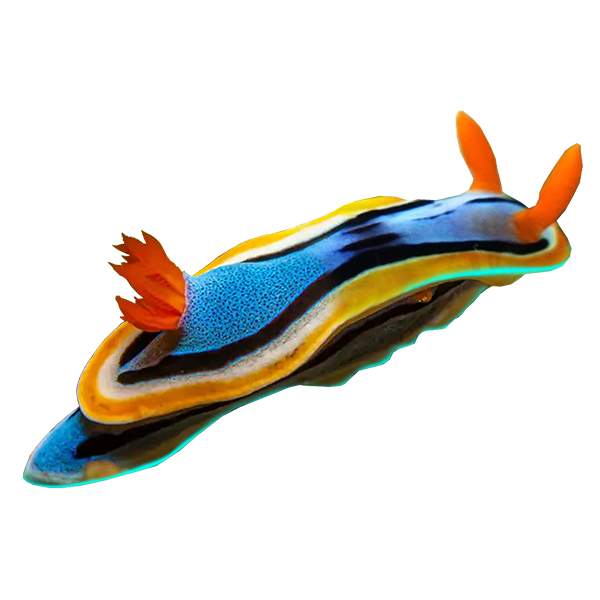
Fireworms as well as some gastropods, like sea snails and nudibranchs.
Did you know?
The scientific name means “scarlet tube star”, from the Latin words Tuba, meaning tube and Astrea meaning star-like. The word coccinea means scarlet, which is in reference to the coral’s vivid color.